Keywords: Chinese literature, Tan Yunxian, historical fiction, Ming dynasty, inspired by real life
Genre: Fiction
Length: short medium long
Country: China
Review
„I’m reminded of the line from the Book of Changes that says, “Be a hidden dragon. Do not act.” Most people interpret this as an admonition for a woman to be quiet and compliant. Grandmother taught me something different: hide my feelings, harness time, and when I’m ready I will leap, swim, or fly, and no one will be able to stop me.”
When I started Lady Tan’s Circle of Women, I honestly didn’t think much of it. The opening chapters tread familiar ground—yet another depiction of ancient China with all the expected imagery: foot binding, rigid social classes, arranged marriages, distant fathers, and the early death of a mother. I’ve seen that setup so many times before that I felt almost impatient. Nothing seemed particularly original. The characters felt like they came from a template, and I prepared myself for a fairly generic historical fiction experience.
But then, quietly and without much ceremony, the book began to shift.
The relationship between Tan Yunxian, the protagonist, and her grandmother introduced a compelling dynamic that brought the story to life. Their interactions weren’t just warm—they revealed layers of education, tradition, and silent rebellion. That relationship gave the book its first real spark, and I found myself drawn in despite my initial doubts.
“The Book of Odes tells us that a young woman at marriage leaves her parents and siblings far behind,” Grandmother says. “It does not mention grandparents or others who love her”.
What truly elevated the story, though, was the depiction of Tan Yunxian’s adult life, particularly her relationships with Meiling and Poppy. Watching all three women navigate life in a new household—and deal with the power dynamics of an oppressive mother-in-law—felt refreshingly nuanced. For once, I wasn’t reading about a brilliant woman getting swallowed by an abusive husband. Instead, we get something far more unexpected: a decent, even tender marriage. That alone felt like a minor miracle in the genre.
That said, not every narrative choice worked. One particular scene—an emotional outburst during a legal appeal—felt forced and out of character. Tan Yunxian, who had been written as deeply aware of her social standing, the weight of her words, and the cost of public missteps, suddenly “blurted out” something she absolutely should have known better than to say. It felt like a shortcut to drama, one that betrayed the careful emotional maturity the novel had worked hard to build. This “I know I shouldn’t say this but I did anyway” trope appears far too often in fiction, and here it felt especially out of place for a character shaped by pain, patience, and restraint. Thankfully, it wasn’t made to be more than it actually was, but it was a point for me when I seriously considered whether I should continue or not. Again, thankfully, I did.
Still, one of the novel’s greatest strengths lies in its portrayal of female friendship. The bond between Yunxian and Meiling is not idealized—it’s fraught, tested, and at times wounded by betrayal and class tension. These women come from different worlds. Yunxian, a woman of elite status, can’t always see the reality of Meiling’s life, and Meiling, in turn, makes choices that deeply hurt Yunxian. And yet, their connection endures. That messy persistence, the kind that includes misunderstanding and reconciliation, felt real in a way that most “inseparable girlhood friendships” do not.
„…Grandmother and Midwife Shi thought I would be a good match for Meiling. If I had physical and emotional flaws, which Meiling’s caring heart could rescue me from time and again, then she had the weakness of feeling she was not worthy of the blessings of the world, which I could help through my unconscious acceptance of the gifts and privileges I was born into. In our friendship—with all its twists and moments of tumult—was the yin and yang of life.”
I also appreciated the intergenerational arc, especially the nuanced reframing of Yunxian’s view of her mother. As a child, her mother was a soft blur of beauty and tragedy. But through adulthood—through her own experiences of marriage, childbirth, and loss—Yunxian begins to resee her mother with compassion and clarity. Depression, disappointment, physical illness—things that once felt abstract to a child—become deeply recognizable to a grown woman. That emotional maturation, subtle but powerful, gives the book surprising depth.
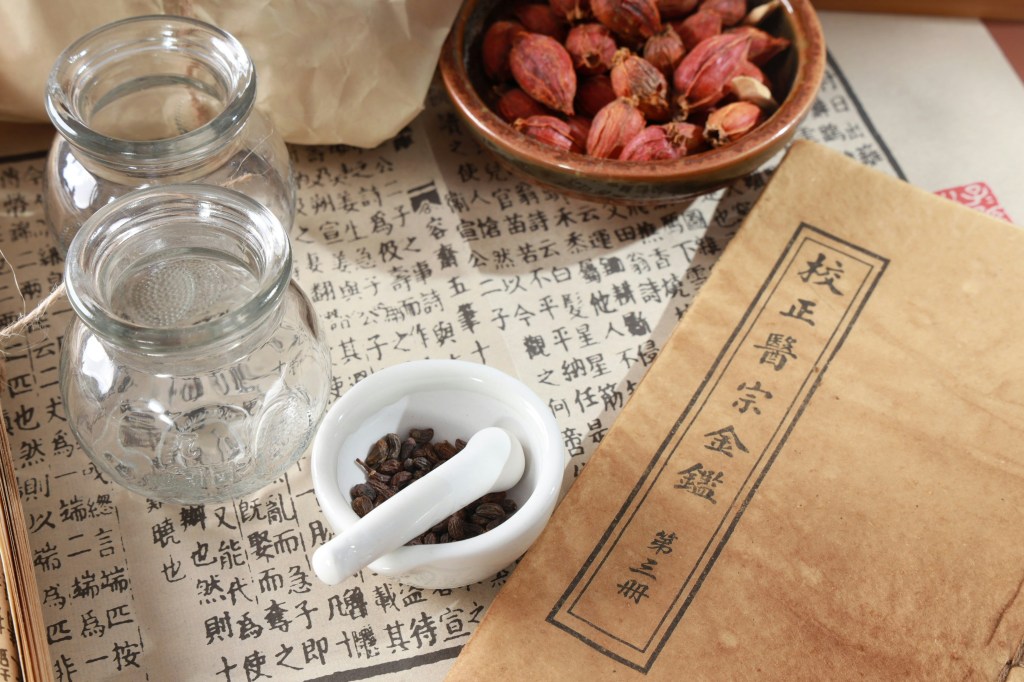
While I wouldn’t call Lady Tan’s Circle of Women the best book I’ve read this year, it certainly stands out for its emotional realism and historical care. Tan Yunxian was a real person—a female doctor in Ming dynasty China, and while she wasn’t the only one, she’s the only one whose writings survived. Lisa See’s portrayal may take creative liberties, but it offers something rare in historical fiction: a story that feels both grounded and emotionally balanced. The cultural details—Confucian values, gender roles, medical practices—are richly rendered without turning them into a show.
If you’re looking for a book that paints a vivid, imperfect portrait of women’s lives in ancient China—with friendships, betrayals, medicine, and resilience—this one’s worth your time.





 Musings of a reading addict
Leave a comment