Keywords: Chinese literature, Yan Lian Ke, asian literature, chinese, The years, months, days, YanLian Ke novella
Genre: Literary fiction
Length: short medium long
Country: China
Review
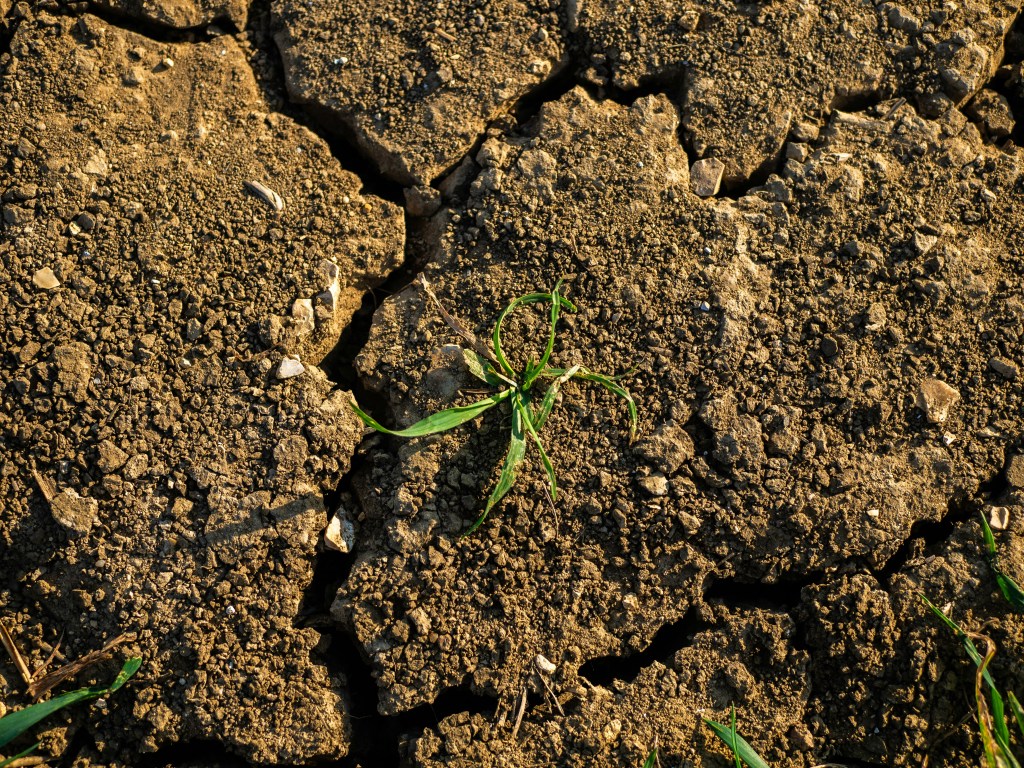
In the year of the great drought, time was baked to ash; and if you tried to grab the sun, it would stick to your palm like charcoal. One sun after another passed overhead, and from dawn till dusk, the Elder could hear his hair burning.
I went into this book not really knowing what to make of it. By the end, my mind jumped to Hemingway’s The Old Man and the Sea — a book I famously do not like. And this says something about me: I have very little patience for what I call irrational heroics. You know, those self-instated quests where someone throws all their resources, even their life, into proving a point that doesn’t actually change anything. Especially when that point is just about propping up some internal notion of “worth” or “honor.”
That’s why I actually appreciate The Years, Months, Days far more than Hemingway’s work. It’s not about ego or individualistic glory. It’s about not giving up on an identity, a destiny, a set of values — even when the loss is inevitable.
The story is deceptively simple. A remote village is ravaged by drought. Everyone leaves — except one elderly man. At first, it’s a pragmatic choice. He knows his age, his health, and the fact that leaving isn’t just a matter of walking to the next town — it could mean a long, gruelling journey, one he might not survive. And there’s one other reason: a single corn seedling that has somehow survived the drought. Caring for it becomes his entire purpose.
His only companion is Blindy, a loyal, blinded (-ed because he carries his own story) dog who still somehow guides, protects, and — in the most extreme show of loyalty — eventually risks everything for the elder. The book’s power is in these two figures holding their ground in a place everyone else has abandoned.
On one level, it’s a portrait of the deep, almost sacred connection to land and crop— a connection strong enough to make someone choose to die at home rather than save themselves elsewhere. On another, it’s about stubbornly facing your fate, even when you see the outcome coming from miles away.
There’s also a meditation on time here. Usually, we measure time because we expect something — a harvest, a task, a result. But when survival is your only aim, time stops being something you count. It’s just there, indifferent.
Time was like a silent ox pulling a cart, slowly crushing the Elder’s will.
Culturally, the book hits differently depending on where you’re from. In China, it’s often seen as an homage to rural persistence, but also a quiet critique of the policies and modernisation drives that hollowed out villages. Internationally, it’s more often read as a universal tale of human stubbornness in the face of nature’s indifference.
As someone from Eastern Europe who got to live the rural, village life, it felt somewhat close to home. I and people from my generation grew up planting gardens, caring for seedlings, knowing the quiet hope you can invest in a single sprout. That makes the elder’s decision not only understandable but relatable. Someone from a more urban, detached-from-the-land background might not feel that as deeply.
Now, about that Old Man and the Sea comparison. Hemingway’s old man? No one forced him out onto the water. He went because he wanted the prize, because it was his big heroic moment, his existential fishing trip. And for what? To prove… what exactly? There are better ways to do that than risking death in a one-man war with a fish.
Yan Lian Ke’s elder, though? I understood him. Painful as it was to read, I got why he stayed. He wasn’t chasing a trophy — he was holding on to himself, his place, his life’s meaning. There’s even a scene where he fights off a pack of wolves, and you feel this almost supernatural mental strength. You root for him because every trial he faces comes from necessity, not vanity.
Bottom line: I liked this book. It’s short, but it lingers. Even if you don’t end up liking it, it’s worth reading — for the insight into a different culture, a different kind of persistence, and a kind of stubbornness that’s less about ego and more about survival.





 Musings of a reading addict
Leave a comment