
Keywords: Poor farms, The weight of snow and regret, Elizabeth Gauffreau, historical fiction, Sheldon Poor farms
Genre: Historical fiction
Length: short medium long
Country: USA
Review
The story
The Weight of Snow and Regret unfolds through two intertwined storylines. The first follows a mysterious woman brought to the Sheldon Poor Farm on a freezing winter night. She refuses to speak or eat, leaving the caretakers and readers to piece together her story: she left her husband and family, searching for something beyond the life she knew.
The second, and far more powerful, storyline follows Hazel, the matron of the Sheldon Poor Farm, and her husband across four decades. Through Hazel’s life we witness an almost relentless sequence of hardship: a childhood marked by her father’s untreated PTSD, repeated losses, and a long journey of building a life shaped by duty, resilience, and compassion. Her work at the poor farm becomes both her purpose and her burden — a space where she navigates the tension between responsibility, love, and survival.
The poor farm
Before reading this book, I had never encountered the concept of a poor farm. These were public institutions in the United States where people who were poor, elderly, or disabled could live and work. In the 19th and early 20th centuries, they were meant to provide basic shelter and food in exchange for labor. By the mid-20th century, they had shifted from housing only the poor to housing individuals society often considered “feeble-minded,” including those with intellectual disabilities, dementia, and other conditions.
This historical context made the novel especially moving for me as a special education teacher. The question of what happens to disabled children when they grow into adulthood — when school ends, when family care is no longer an option — is one of the most pressing and personal questions of my professional life. Seeing this question explored historically, in an era where solutions were far more institutional, gave this book a deep personal resonance.
More on specifically The Sheldon Poor Farm presented in the book (which was real)

The themes
This novel beautifully captures the weight of caring for society’s most vulnerable. Hazel’s story doesn’t shy away from showing the emotional toll of running a place like the Sheldon Poor Farm, but it also highlights the small joys, the light, and the sense of purpose that come from this work.
I appreciated that the book portrayed disabled and elderly residents in a nuanced way: they are sources of love, humor, and connection — but they can also be dangerous, and sometimes intervention is necessary to keep everyone safe. That balance felt honest and respectful.
Another theme that stood out to me was the resilience required to build and maintain a family. Hazel meets her husband when she is young, and he is already older and more experienced in the world. Their relationship is a thread of quiet strength running through the novel. We witness them face every imaginable trial — Paul being drafted into the war, enduring deep personal losses, and ultimately stepping into the daunting responsibility of running the poor farm with no prior experience. Through all of this, their love is shown in small, intimate gestures: the offering of a cup of coffee, a hand on a shoulder, a late-night hug, the simple ritual of sharing a bed and noticing when the other falls asleep. We also see them argue, confront doubt, and navigate moments of power imbalance — including Hazel’s resistance to taking the poor farm job before ultimately agreeing when Paul decides they must. This honesty is what makes their bond so compelling: it is a portrait of real marriage, not an idealized one, showing what it means to uphold vows and walk through life together, even when the path is rough.
Thematically, the book asks readers to consider our collective responsibility: How do we care for those who cannot care for themselves? How do we hold space for their dignity while protecting their safety and ours? These questions are just as relevant today as they were in the 1960s.
Strengths and Weaknesses
While both storylines were well-crafted, I found myself far more invested in Hazel’s arc. The Sheldon Poor Farm narrative was rich, layered, and deeply moving — it’s what elevated the book from interesting to unforgettable.
The storyline about the runaway wife, by comparison, felt less essential. I understand from the author’s note that this was the seed of the entire novel, but for me, the book’s heart clearly lies with Hazel and the poor farm. If the book had focused exclusively on that thread, it might have been a five-star read. I still rated it a 4 stars out of 5.
Final Thoughts
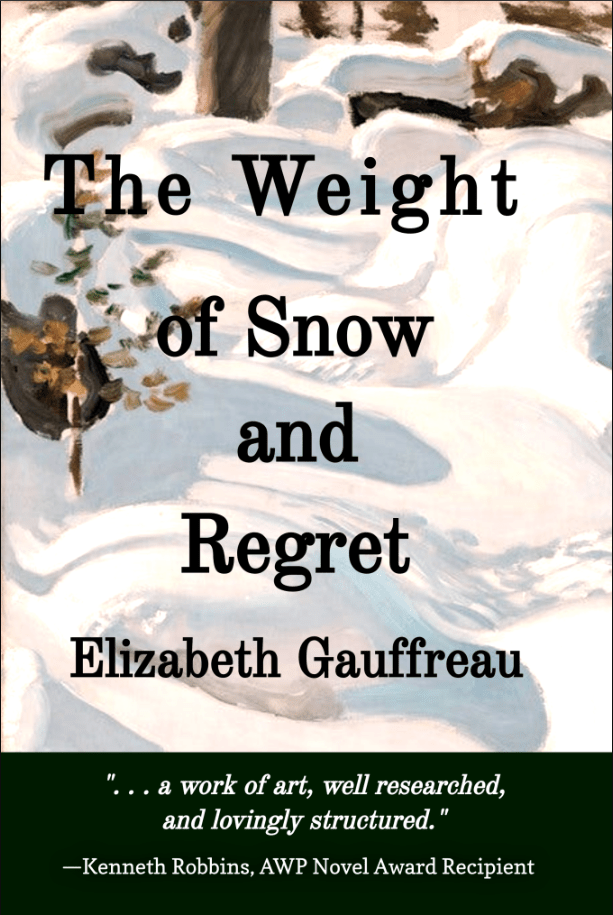
Overall, The Weight of Snow and Regret is a profoundly empathetic novel that blends history, moral complexity, and human resilience. It expanded my understanding of a little-known aspect of American history and deepened my own reflections on disability, care, and community.
This was an ARC (advance reader copy) I received through BookSirens, and I’m grateful to both BookSirens, and Elizabeth Gauffreau for the opportunity to read it early. The book will be published on October 1, 2025, a date that holds significance within the novel itself — and I encourage everyone to pick it up when it releases.








 Musings of a reading addict
Leave a comment