
Keywords: Best books of 2025, Books to read, Book recommendation, Fiction, Christian nonfiction
Genre: Opinion piece of the “looking back on” kind
Length: depends on whether you’re reading it or skim&scan-ing (no shade, I do that too)
Country: all over the place
Best books of 2025
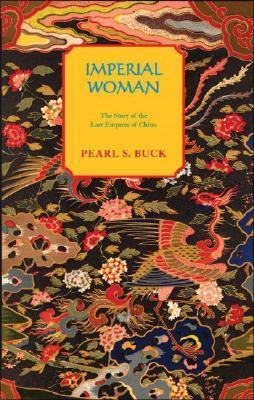

This was one of the highlights of my reading year. Imperial Woman opened my eyes to China’s complicated and often painful history, and especially to the figure of Cixi, the last empress. The book sits right on that thin line between historical documentary and fiction — perfectly balanced. You can clearly recognize real-life figures, but Buck’s portrayal of Cixi is so humane and so empathetic that by the end you genuinely feel like you knew the empress personally.
2. The Morgue Keeper by Ru Yan Meng
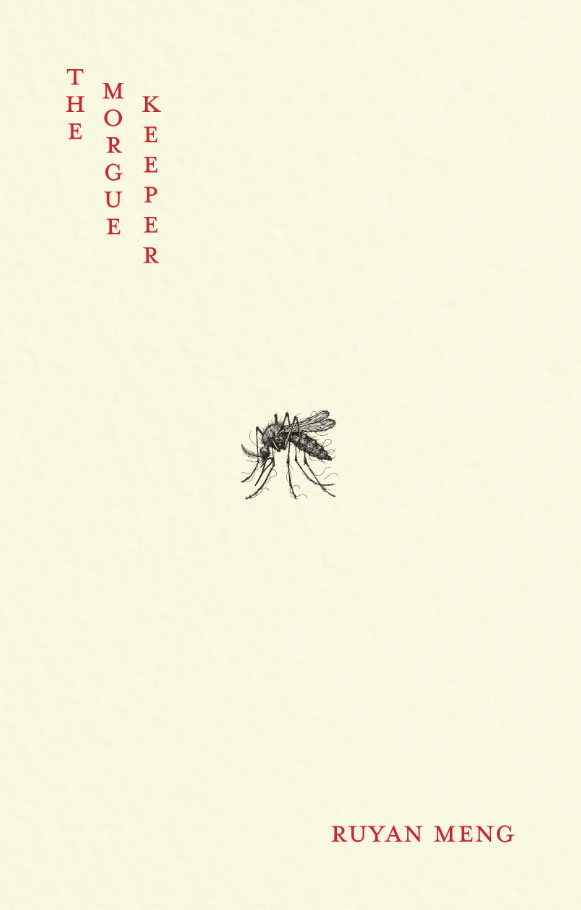
The surprise of the year. It’s unbelievable that this is a debut novel. Meng writes about the Cultural Revolution with a clarity and emotional weight that comes only from lived family memory. The book feels like an homage to the people who somehow retained their humanity in the middle of terror. If this is what she produces as a first novel, I will read anything else she ever publishes.
3. The Mountains Sing by Nguyễn Phan Quế Mai
I postponed this book for years, mostly because it was everywhere and I was suspicious. But it turned out to be a beautiful family saga and a powerful window into Vietnamese history — all of it, including the brutal parts: French colonization, the American war, and the long aftermath of generational trauma. This is historical fiction done right: intimate, grounded, painful, and deeply respectful of the people it portrays.
4. The Good People by Hannah Kent
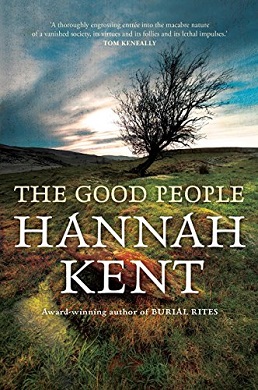
No surprise here — Hannah Kent is one of my favorite authors. After Burial Rites, I had high expectations, and The Good People met all of them. It dives into Irish folklore surrounding the “good people,” yet it’s based on a real case. When I read about the actual events afterwards, I was shocked by how much of the story was true.
Kent’s prose is gorgeous, her pacing flawless, and her characters complex in a way that makes you constantly question your own reactions. Some of their beliefs are almost impossible to tolerate with a modern perspective, but that’s exactly why the book works. It also doubles as a brilliant commentary on disability, and on the importance of awareness, rights, and compassion.
5. Beware of pity by Stefan Zweig
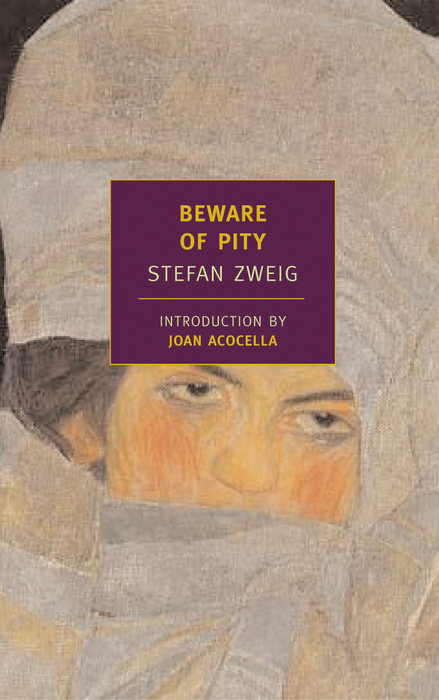
This remains the most-read post on the blog, and for good reason. Beware of Pity explores how something that sounds positive — pity — can become destructive when used mindlessly. Zweig shows how dangerous it is when people refuse to take responsibility for their promises, their impulses, or their emotional obligations. It’s one of those books I genuinely think everyone should read.
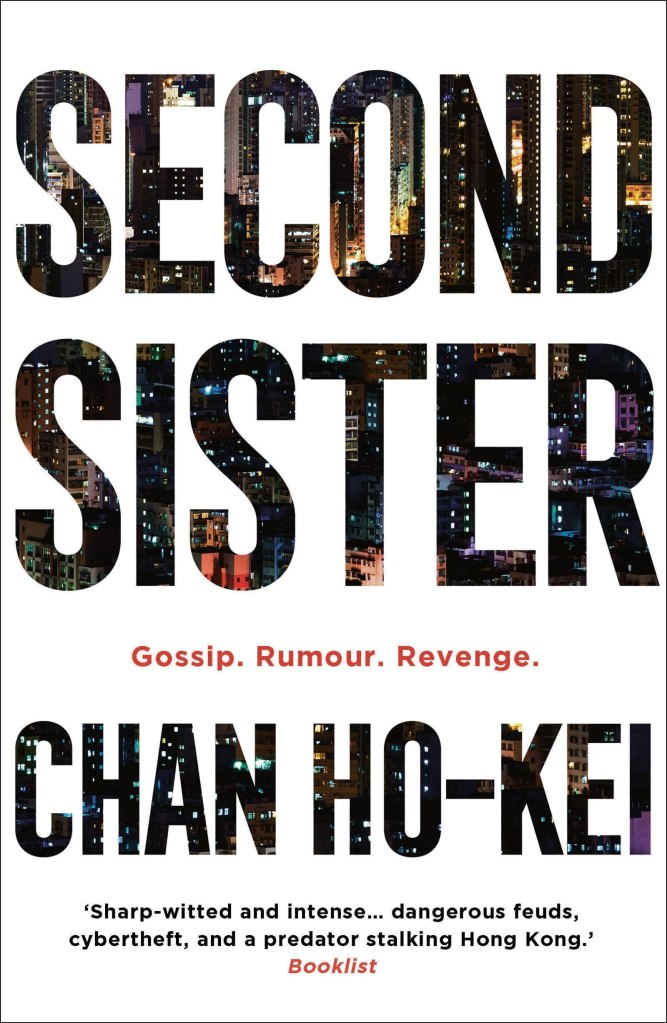
6. Second Sister by Chan Ho-Kei
The best thriller I read this year. It should honestly be required reading for parents. The book dives into the world of online bullying and shows exactly how easily someone with the right knowledge can trace your online activity — and how vulnerable that makes teens, especially those unsupervised online.
It’s sharp, fast, unsettling, and painfully realistic. If you’re curious about the effects of social media on teens but don’t feel like picking up a non-fiction manual, this is a great (and terrifying) alternative.
BONUS Best Christian Books of 2025
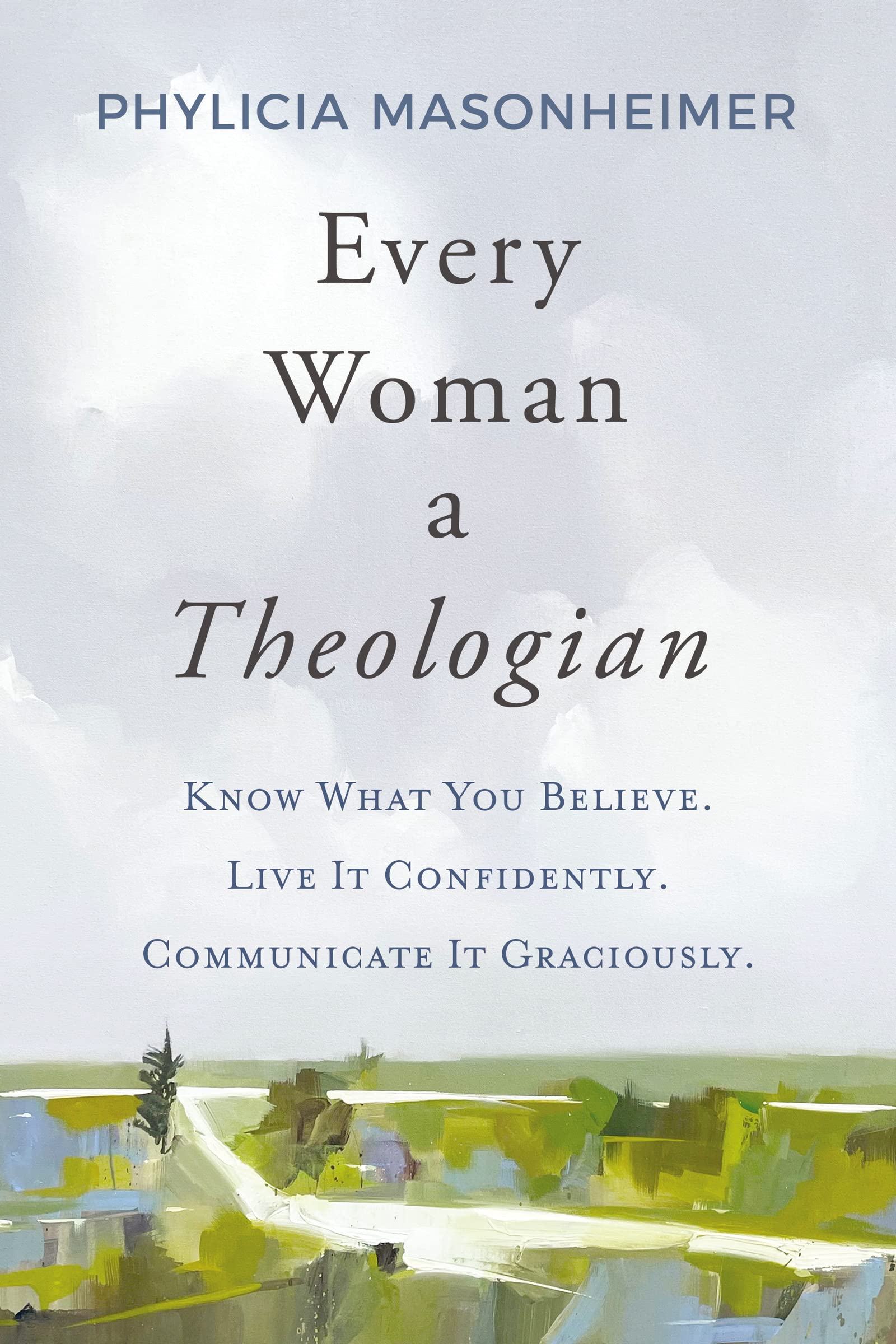
- Every woman a theologian by Phylicia D. Masonheimer
This is one of the most important Christian books I read this year. Masonheimer puts into words something many women experience: the frustration of attending women’s conferences and meetings that only skim the surface — emotional “aesthetics” rather than structural foundations. We need theology, doctrine, and biblical knowledge just as much as anyone else. Not to preach formally, but to be prepared when friends struggle, when someone asks hard questions, or when a non-believer genuinely wants to understand our faith.
Evangelism isn’t a stage and a microphone. It’s conversations. And this book makes the case, very clearly, that women should be equipped to have them.
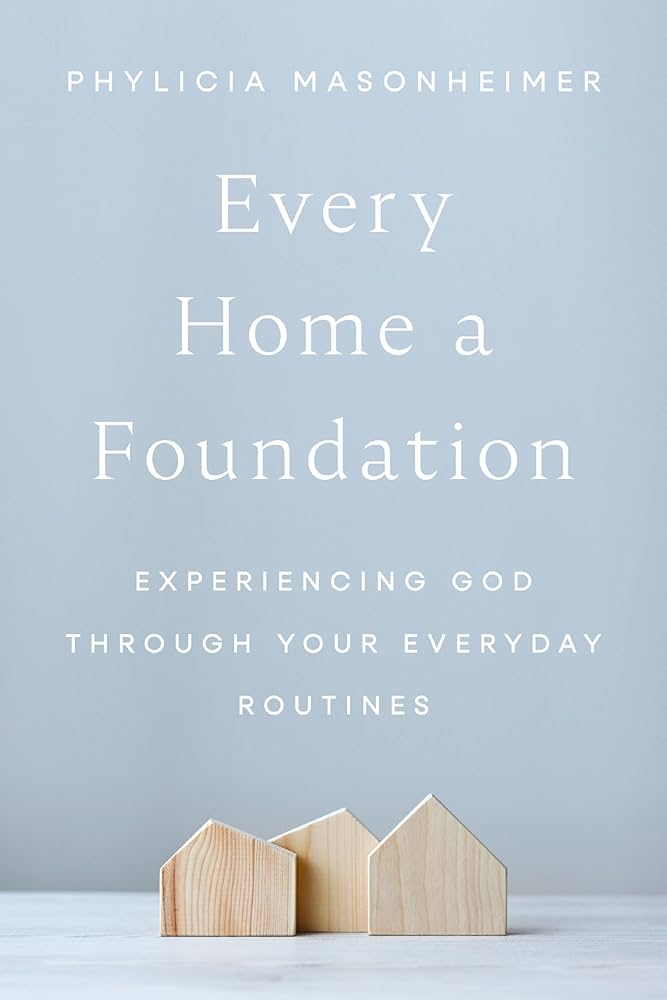
2. Every home a foundation: Experiencing God through Your Everyday Routines by Phylicia D. Masonheimer
A gentle book with a strong message: the home matters. Homemaking — cooking, cleaning, creating beauty, order, and comfort — isn’t trivial. It can be a form of worship, a space of growth, and a refuge for anyone who enters. I loved the emphasis on hospitality: learning it, valuing it, and cultivating it intentionally. A warm, encouraging read.
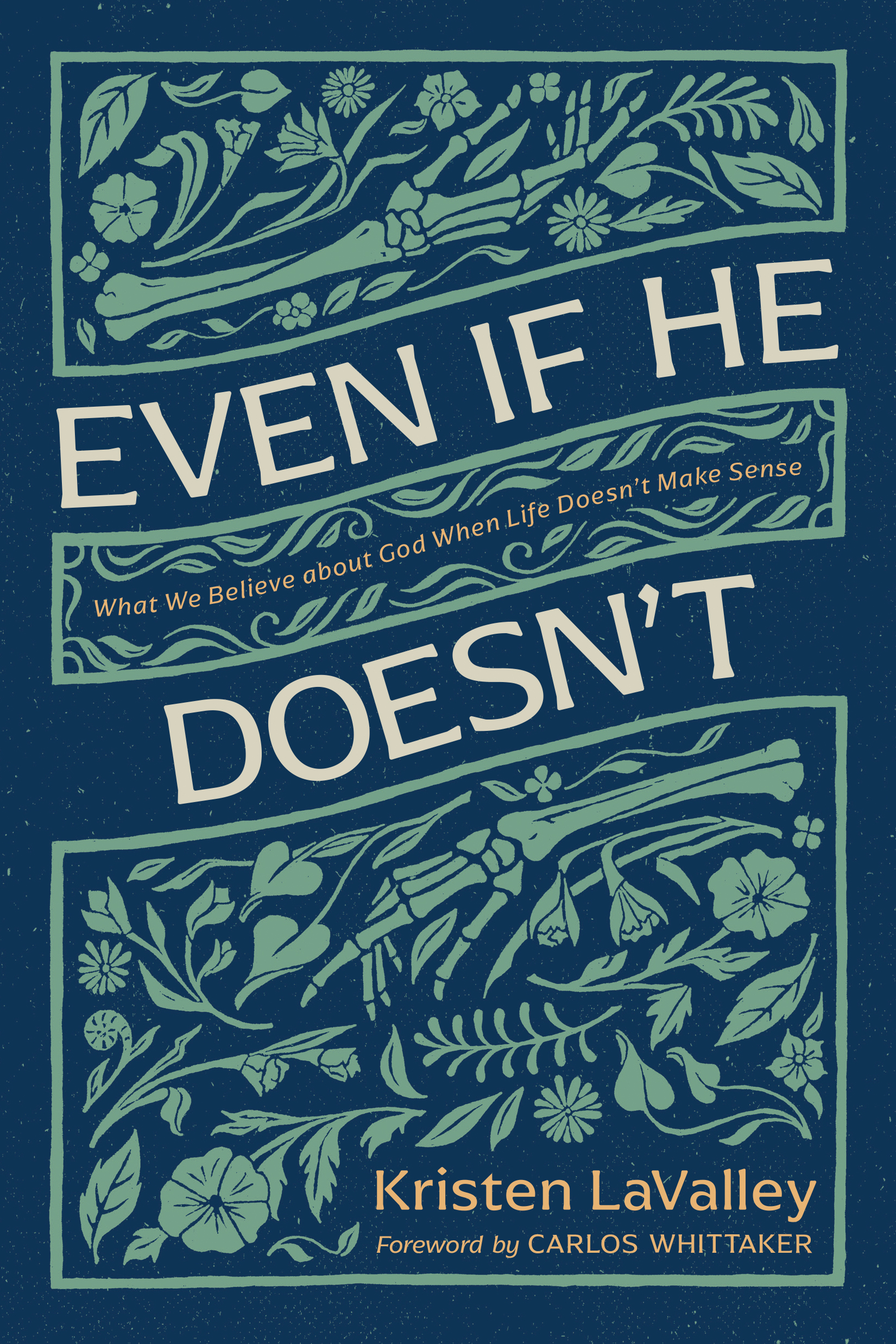
3. Even if He doesn’t: What we believe about God when life doesn’t make sense by Kristen LaValley
This book asks a question that every single person, believer or not, has asked at some point: what do we do when God doesn’t answer our prayers? When tragedy hits? When our lives go in a direction we never wanted?
It’s easy to worship when everything is going well. It’s much harder when pain is personal. Non-believers often ask Christians: How can you believe in God when there is so much suffering — even in your own life? And too often we try to sound victorious, as if we’ve solved the mystery of suffering.
This book refuses that performance. It’s honest, raw, and full of the tension we all feel. And because of that, it’s also a powerful read for non-Christians. I’m not going to spoil how it answers the question — but it does so with humility and depth.
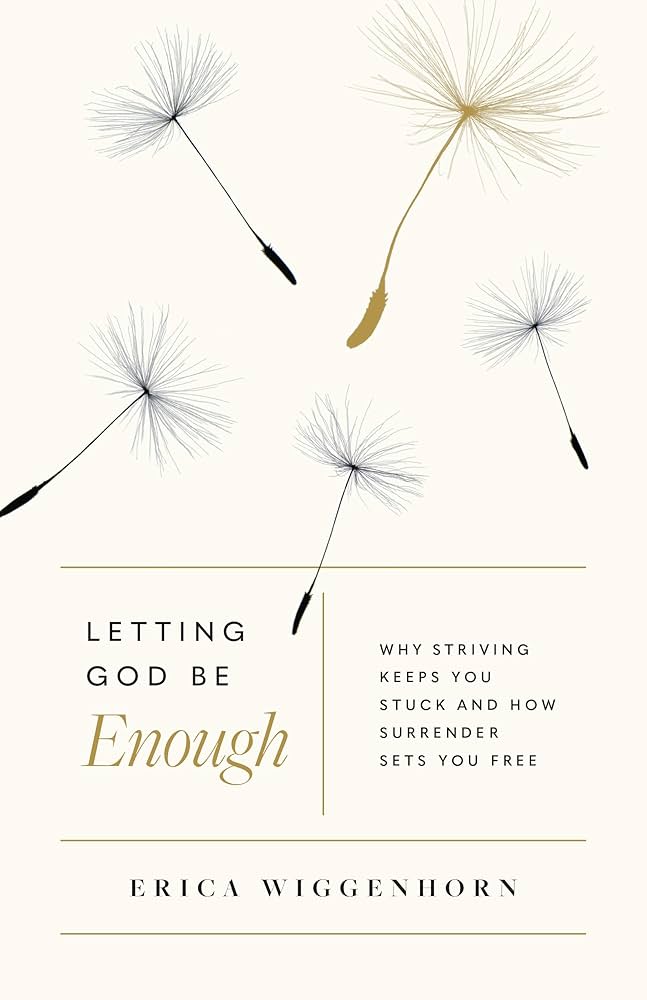
4. Letting God be enough: why striving keeps you stuck & how surrender sets you free by Erica Wiggenhorn
This one spoke to me personally because Moses is my favorite biblical character. Wiggenhorn uses his story to explore faith, obedience, and the exhausting cycle of constant striving. Moses didn’t want the mission God gave him. He had excuses, logic, and fear — but he followed anyway, and at every impossible turn, God provided.
This book is a reminder that we often lose ourselves in endless striving — career, goals, expectations — until we hit burnout. And the answer isn’t more striving. It’s surrender. It’s trust. It’s remembering that God is enough, and that He asks us to give Him our burdens because He intends to carry them.





 Musings of a reading addict
Leave a comment