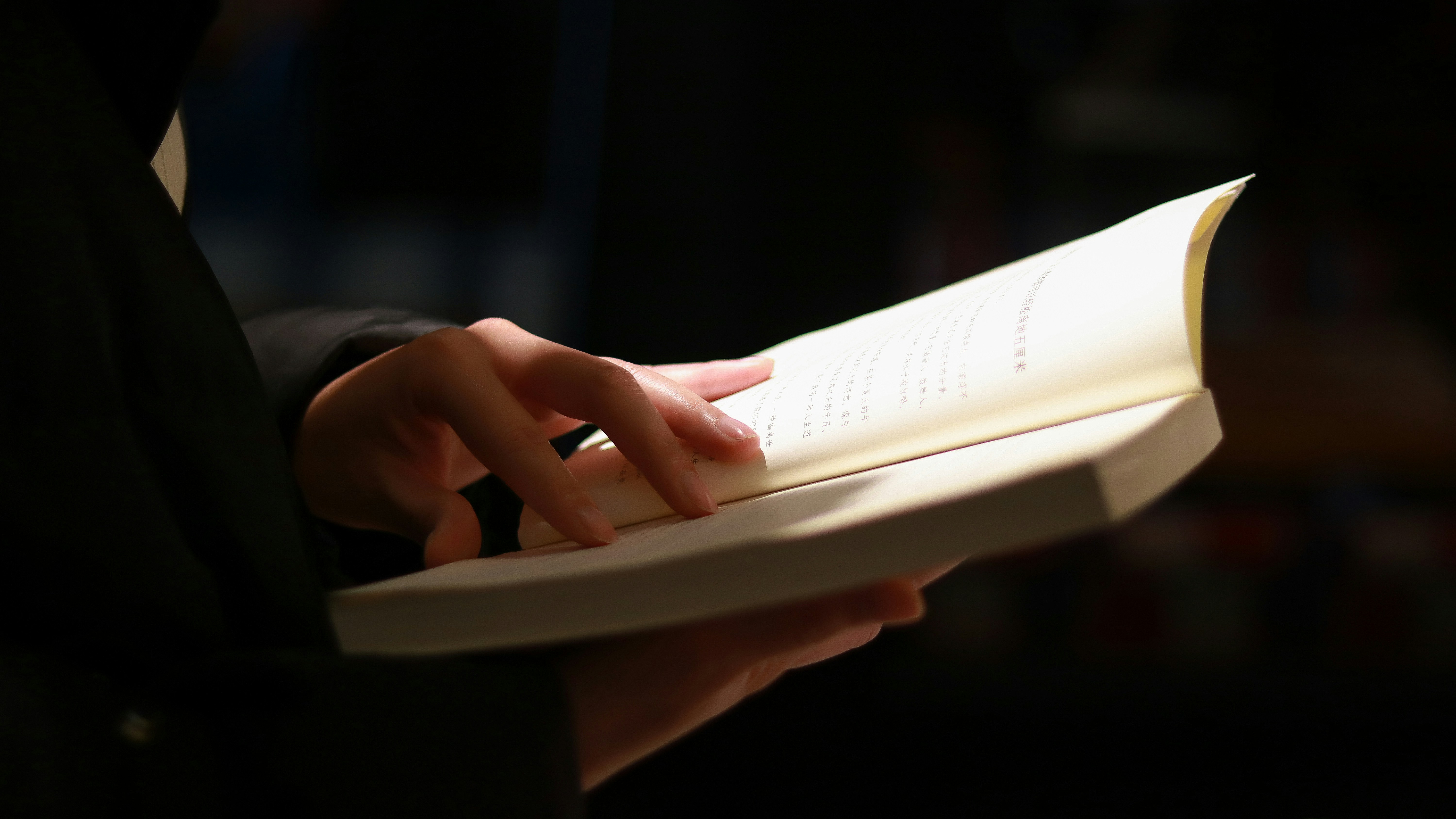
(or: my current existential crisis about how books transform us into unrecognisable humans to our cultures)
Keywords: becoming through reading, estrangement, cultural conflicts, finding yourself in reading
Genre: personal confession for a cathartic liberation
Length: 6 minutes reading time
Country: anywhere
On relating to characters and stories

I still remember the day I decided that I wanted to learn how to read. I remember the magazine, because it was a magazine, that my father used while teaching me to recognize letters, to put them together into words, and to understand how sounds changed when they met on the page. I am grateful that, although almost thirty years have passed since that moment, I can still recall it so vividly.
Reading did not begin as a mandatory activity for me. In many ways, the way I learned to read determined the way I would approach almost everything else in life. I wanted to see whether I could do it, and so I did. I grew into a stubborn person, the kind of person who says, I want this, therefore I will find a way to reach it.
I started reading because I wanted to have read a book. I wanted to have read my first book. What fascinated me most was the existence of words I did not yet know. Looking up words in a dictionary felt exhilarating, as though I were deciphering an ancient script, even though it was my own native language.
As I grew older, reading gradually became less a discovery of what existed in the world and more a discovery of what existed within me. Perhaps this began in adolescence, when most people experience some form of existential questioning and try to understand who they are, what they value, and what kind of life they want to live.
I know there is nothing unique about that. None of us is as unique as we sometimes imagine. We often discover (through instagram reels mostly) that we share the same childhood memories, the same fears, the same awkwardness, even the same cartoons. Books however gave me something that real life often could not: they introduced me to characters who seemed to be living through the same inner conflicts I was living through. I would recognize a thought, a fear, a moral dilemma, and think “Yes, this is exactly it!!!” Sometimes I admired the way a character responded to suffering; sometimes I set that character as a reference for the person I hoped to become so those fictional voices began to shape me. The person I am still becoming feels less like the product of a single cultural environment and more like a mosaic assembled from many different literary worlds.
On how the stories make us
Over time I noticed affinities that surprised me. Certain Chinese writers and philosophies resonated deeply with my understanding of responsibility, dignity, and discipline. Scandinavian literature often felt closer to my instincts about honesty, relationships, and the quiet handling of conflict. Swiss writing and travel narratives spoke to my ideas of leisure, simplicity, and the ethical use of time. American essays and memoirs expanded my sense that different perspectives can coexist without canceling one another out.
This did not bring liberation, however. It brought estrangement. I could never fit myself comfortably into a single box, the box shaped by my culture, because I had been formed by too many different ones. I felt like a puzzle made of pieces from different other puzzles.
There is a particular kind of disquiet that comes from looking around and sensing that your way of thinking does not quite belong to the place that raised you. Somehow, a sentence written in another language, centuries ago, can feel more intimate than a conversation at your own dinner table. This feeling, this disquiet, doesn’t come from a desire to be different, “not like the others”. It’s from that intimacy that you’ve just experienced in those pages, an intimacy and an understanding that you struggle to find in real world.
One might assume that such a feeling could be solved through travel or migration. Yet I do not believe the feeling disappears. I have lived abroad, and I learned that carrying many cultures within you is not the same thing as belonging fully to any of them. If I moved to China, I would not become Chinese. If I moved to Sweden, I would not become Swedish. Even in a society built from many cultures, I suspect I would still feel like a solitary figure in a crowd.
On the literature exploring estrangement

As I write this, another voice interrupts me, the one that usually questions everything that I do or say: Why are you writing this? Do you think it makes you special, to talk about how you’re some sort of a misfit?
I do not.
Literature is full of people who felt exactly this kind of displacement. Milan Kundera writes about the painful gap between one’s inner life and one’s homeland. James Baldwin explores what it means to be shaped by a culture that simultaneously claims and rejects you. Hermann Hesse’s Steppenwolf is one of the most profound portraits of alienation I have ever read. Camus writes about being fundamentally out of tune with the world. And Cioran, my fellow Romanian, turned estrangement into an entire philosophy of existence.
Then there is Dostoevsky. Prince Myshkin in The Idiot is not merely unusual; he is incompatible with the social logic that surrounds him. I do not compare myself to these characters in any grand sense. But I understand the sensation of standing slightly outside the frame and wishing you’d find a spot at the grand table.
That is why I felt compelled to write this piece of… I don’t even know what it is. Partly because I needed to process the feeling, and partly because I suspect many readers carry a similar homesickness in silence.
We often speak of reading as a source of information or self-improvement. We praise books for making us more knowledgeable, more articulate, more educated. Yet if you read widely enough, especially across cultures, books do something far more disruptive: they change the criteria by which you judge a life… especially your own.
In these charcaters, in these stories, you begin to recognize fragments of yourself, in these places that are not your own.
Where does that leave a person?
On searching a conclusion
So I arrive … here.
For me, reading has created a homesickness that I cannot properly name. My home is not a country, nor a language, nor even a culture. It is an imagined territory assembled from everything I have read, loved, admired, and carried with me. Each book adds another small piece to that invisible landscape.
Perhaps this essay is merely a confession. Perhaps it is a question sent into the dark. I do not know whether there is an answer, truly don’t even know whether there’s a question.
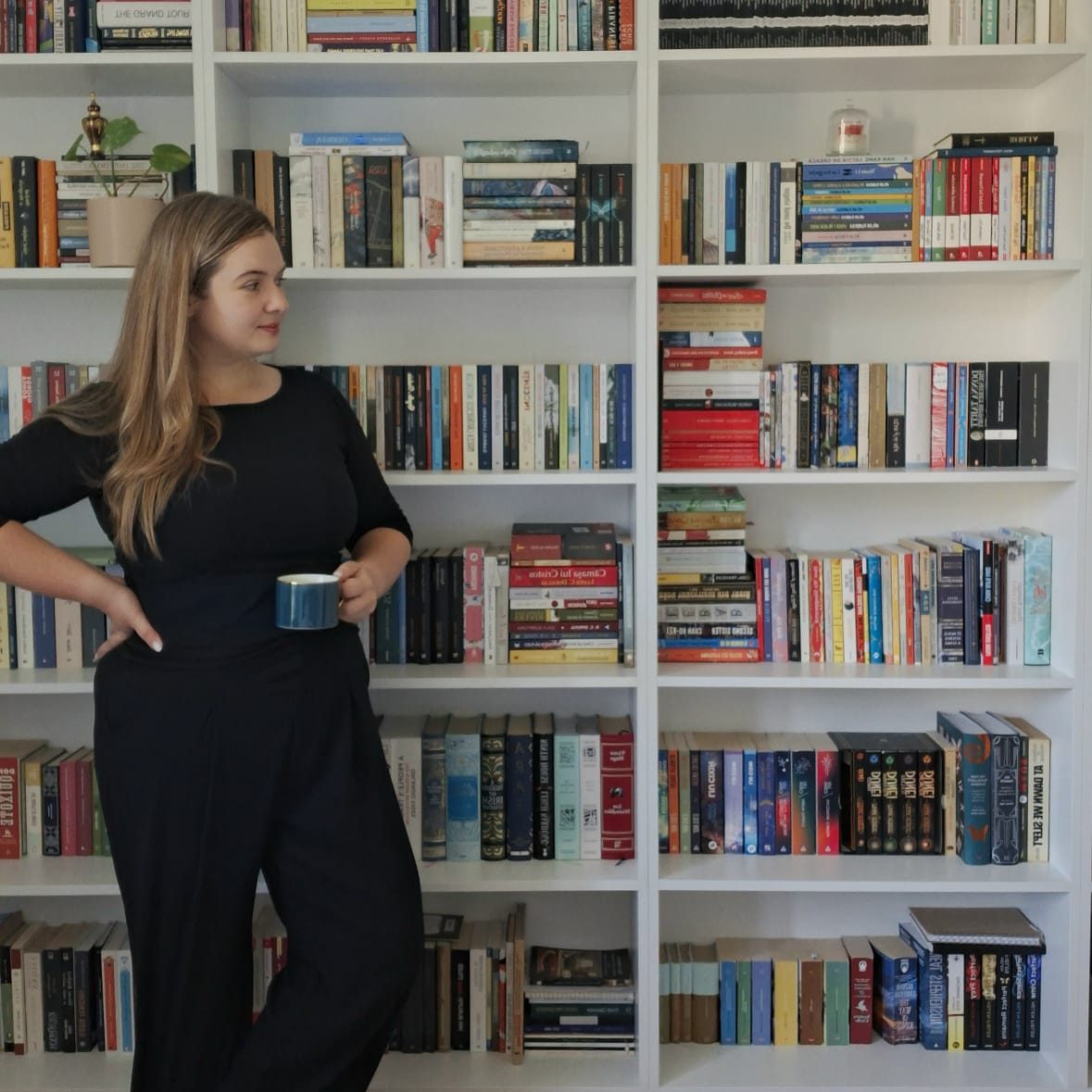
I only know that somewhere between the first magazine my father placed in my hands and the novels that now fill my shelves, I began searching not simply for stories, but for a place where the person those stories helped create might finally feel at home.





Leave a Reply